Simple Prevention Tips Backed by Basement Waterproofing NJ Experts
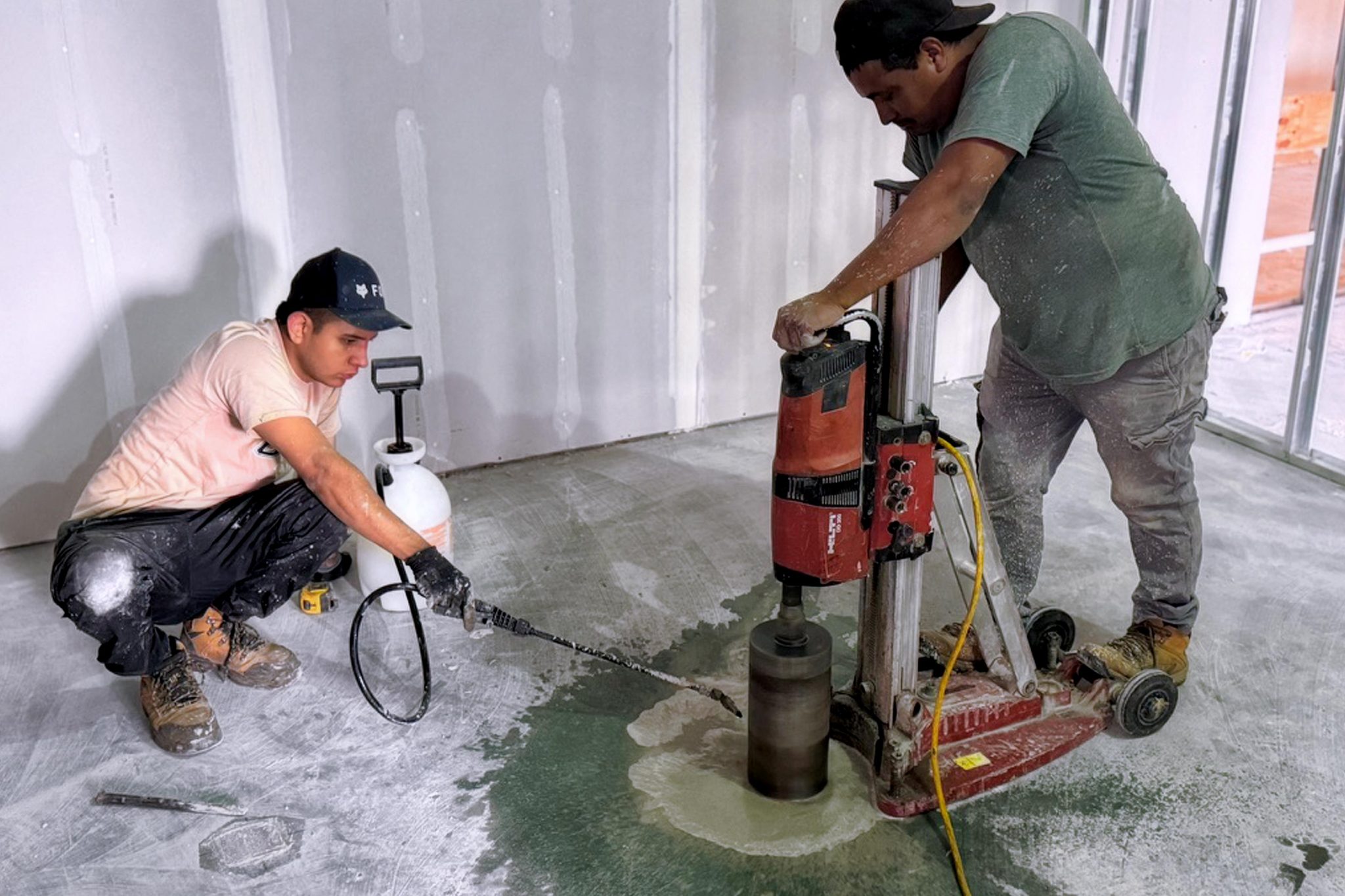

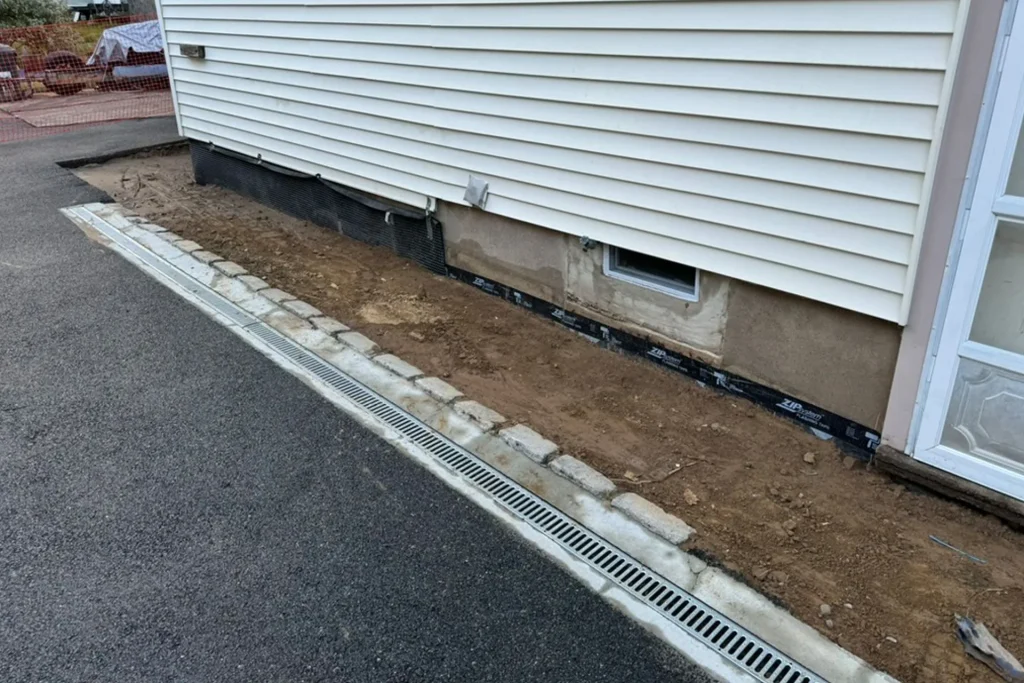
A dry basement rarely stays dry by accident. In New Jersey, that matters more than many homeowners realize. The state’s mix of older housing stock, clay-heavy soils in some regions, freeze-thaw cycles, coastal moisture, and sudden summer downpours creates a steady stream of basement water problems. Some homes take on water dramatically, with standing puddles after a storm. Others develop quieter issues, like peeling paint, a musty odor, rust on the water heater, or damp cardboard along a back wall. Those subtle signs are often the beginning of a more expensive repair story.
Most water intrusion starts with preventable conditions. That is the encouraging part. Homeowners cannot change the weather or the water table under their neighborhood, but they can control a surprising number of risk factors around the home. Professionals who handle Basement Waterproofing NJ projects see the same patterns over and over. Overflowing gutters dump water next to the foundation. Soil settles and pitches toward the house. Cracks go unsealed for years. Sump pumps sit untested until the one night they are actually needed.
The smartest prevention work is not dramatic. It is steady, practical, and done before the basement starts smelling like wet concrete and mildew. The goal is to manage water outside first, reduce moisture inside second, and spot early warning signs before a minor weakness turns into structural damage or mold cleanup.
Why basements in New Jersey need extra attention
Basements fail for local reasons as much as for construction reasons. A home in North Jersey may sit on terrain that channels runoff toward the foundation after snowmelt. A house closer to the shore may deal with persistently high moisture levels in the air, even when no visible leak is present. In central parts of the state, I have seen homes that stayed mostly dry for years until one neighboring lot was regraded or a new patio changed the way stormwater moved across the property.
That local variability is why generic advice often falls short. One home may need better gutter discharge. Another may need foundation crack repair. Another may actually be dry in terms of bulk water, but chronically damp because the basement is cool, under-ventilated, and full of absorbent storage materials. Effective prevention starts with understanding that water problems have different sources. Surface runoff, groundwater pressure, indoor humidity, plumbing leaks, and condensation can all produce similar symptoms.
There is also the timing issue. New Jersey storms have become less predictable in many areas. A basement that handles ordinary rainfall may still be vulnerable during a cloudburst that drops several inches in a short period. The houses most likely to stay ahead of that kind of event are not the ones with the fanciest finishes. They are the ones with sound drainage, maintained equipment, and owners who do not ignore the small stuff.
Start outside, because that is where most problems begin
If you ask experienced waterproofing contractors where they find the root cause most often, the answer is usually outside the basement walls rather than inside them. Water is persistent, but it is also simple. It follows gravity, pressure, and the easiest path available.
A surprising number of damp basements come down to roof water. A typical roof sheds hundreds, sometimes thousands, of gallons during a single rain event. If those gallons are directed into clogged gutters or short downspouts that release water a foot from the house, the foundation ends up doing the work the drainage system failed to do. Soil near the footing becomes saturated. Hydrostatic pressure builds against the wall or beneath the slab. That is when seepage starts appearing at cove joints, cracks, and porous masonry.
Yard grading is the next major issue. Around many homes, the soil along the foundation settles over time. It is common to see a shallow trough where mulch, planting beds, and foot traffic have slowly created a low spot. During a storm, that low spot behaves like a collection trench. Water pools there and sits against the foundation. Even a strong wall is not designed to function as a retaining barrier for recurring ponding water.
Hardscapes can add to the problem. Walkways, patios, and driveways sometimes slope back toward the house. This can happen because they were built that way, or because one section settled. A narrow strip of concrete pushing runoff toward a basement stairwell is enough to trigger repeated leaks.
The simple exterior habits that prevent a lot of interior damage
There is no mystery to the basic maintenance that protects a basement, but consistency matters. A homeowner who handles these tasks on schedule will avoid many of the common causes of water intrusion.
- Clean gutters at least twice a year, and more often if the property has mature trees.
- Extend downspouts far enough to release water well away from the foundation, often 6 to 10 feet depending on slope and drainage conditions.
- Check that soil around the home slopes away from the foundation instead of toward it.
- Keep basement window wells clear of leaves, mulch, and debris that can trap water.
- Inspect exterior cracks, gaps around utility penetrations, and deteriorated mortar before winter and after heavy storm seasons.
Each of these seems modest on its own. Together, they reduce the amount of water pressing against the home. That reduction is often the difference between a dry basement and one that only leaks during the “big” storms.
I remember one homeowner in Union County who assumed he needed a full interior drainage system because water kept appearing near one finished wall. The culprit was a downspout elbow that had disconnected behind a shrub bed. Every storm sent roof runoff directly into the soil beside the foundation. Reconnecting and extending the discharge solved most of the problem immediately. He still needed minor crack sealing, but not the large project he feared.
Grading is less glamorous than waterproofing, but just as important
When people hear the term Basement Waterproofing NJ, they often picture sump pumps, wall coatings, or interior drains. Those systems absolutely have their place. Still, the first line of defense is often a shovel, compacted fill, and proper slope.
The area within the first 6 to 10 feet around the house is especially important. Ideally, water should move away from the foundation quickly, not pause there and soak in. That does not always require major landscape work. Sometimes a few cubic yards of clean fill and careful regrading solve a recurring dampness issue. In other cases, the correction needs more planning because flower beds, retaining walls, AC pads, or walkways limit what can be changed.
There are trade-offs here. Adding soil against the house without regard for siding clearance can create another problem by inviting rot or insect activity. Burying weep screeds or reducing visible foundation height is not good practice. The work needs balance. The grade should encourage drainage while maintaining proper separation from wood framing, siding materials, and vents.
If your property already has complicated drainage, such as a steep rear yard, a swale, or runoff from neighboring lots, it is worth having a waterproofing or drainage specialist take a look. Surface water can be redirected, but poorly planned drainage can shift the problem instead of solving it.
Basement humidity is not harmless
Not every basement moisture problem involves liquid water entering through the wall. Some basements stay technically leak-free and still feel clammy nine months of the year. This is common in New Jersey during late spring through early fall, especially in partially below-grade spaces where cool surfaces meet humid air.
That damp feeling matters. Persistent humidity feeds mold growth, damages stored belongings, warps wood, rusts tools, and can make the whole home smell stale. It also masks more serious issues because homeowners get used to a musty baseline and miss the signs of a real leak.
A dehumidifier is one of the best prevention tools available, but it works best when paired with realistic expectations. One undersized machine in a large basement will run constantly and still leave corners damp. In many homes, a unit rated for the square footage of the space and set to keep relative humidity near 50 percent is a practical target. Below that, the air may feel overly dry and the unit may work harder than necessary. Above 60 percent, mold risk increases.
Air sealing helps too. If humid outdoor air is drifting in through loose basement windows, rim joists, or penetrations, the dehumidifier will be fighting a losing battle. Prevention is rarely about one hero product. It is about reducing the moisture load from several directions at once.
Sump pumps fail in predictable ways
Few basement systems inspire more false confidence than the sump pump. Homeowners see a pump in the pit and assume they are protected. Then a thunderstorm knocks out power, the float switch jams, or the discharge line freezes, and the basement floods anyway.
A sump pump should be treated like safety equipment, not decor. It needs testing. It needs cleaning. It needs a backup plan if the basement has any history of water entry or if the home sits in an area with a high water table.
Battery backups are especially valuable in New Jersey because the storms that create the most water pressure often coincide with outages. Water-powered backups can also be useful in some homes, though they depend on municipal water conditions and are not right for every setup. If a finished basement contains flooring, drywall, furniture, or valuable storage, redundancy is not excessive. It is common sense.
Discharge routing matters as much as the pump itself. If the outlet dumps water too close to the house, the system can short-cycle the same water back toward the footing. If the exterior pipe lacks proper pitch or freeze protection, winter operation becomes unreliable.
Small cracks deserve early attention
Foundation cracks trigger understandable anxiety, but not every crack means structural distress. The more common mistake is not overreacting, but underreacting. Homeowners notice a hairline crack, see no immediate puddle, and decide to watch it later. A few wet seasons pass. Efflorescence appears. Then one major storm turns a cosmetic issue into an active leak.
Poured concrete walls can develop shrinkage cracks. Masonry walls may show mortar deterioration or movement at joints. Floor cracks can also become water entry points under pressure. What matters is the crack’s size, pattern, location, and behavior over time. Vertical hairline cracks may be less concerning structurally than horizontal cracks or bowing walls, but they still deserve sealing if they are allowing water in.
The good news is that early intervention is usually simpler and less disruptive. An isolated crack can often be repaired before it causes secondary damage to insulation, framing, or finishes. Waiting tends to multiply costs, especially if moisture becomes a mold issue behind a finished wall.
What to watch for before visible flooding happens
Homeowners often imagine that basement water problems announce themselves with an obvious puddle on the floor. Sometimes they do. More often, the early clues are quieter and easier to miss.
- A persistent musty odor, especially after rain
- White chalky residue on concrete or masonry
- Peeling paint or bubbling wall finishes near the floor
- Rust on metal shelving, appliance legs, or the bottom of the furnace
- Damp spots on cardboard boxes, area rugs, or stored fabrics
Those signs point to recurring moisture, even when there is no standing water present during your inspection. Efflorescence, the white residue often found on walls, is especially telling. It forms when water moves through masonry and leaves mineral deposits behind as it evaporates. People sometimes paint over it, which hides the clue without addressing the water movement causing it.
A basement has its own smell profile when it is healthy. It should smell neutral, maybe a little cool, but not earthy or stale. If the air changes after storms, trust that instinct and investigate.
Storage choices can make a moisture problem much worse
Prevention is not only about keeping water out. It is also about limiting the damage if moisture appears. Basements tend to become the home’s catchall space, and that creates avoidable loss.
Cardboard boxes on the floor are one of the most common mistakes. Cardboard absorbs moisture quickly, weakens, and supports mold growth. Fabrics, books, photo albums, and holiday decorations stored low to the slab are all vulnerable, even in basements that have never fully flooded. A small seepage event can ruin sentimental items long before the homeowner notices.
Plastic bins on shelving a few inches off the floor are a much safer choice. Mechanical equipment should also have enough clearance around it for inspection. I have seen slow plumbing drips continue for months because the area around the water heater was packed tight with storage.
Finished basements need extra caution. Once drywall, carpet, padding, and trim are installed, minor moisture becomes expensive. If your basement has had any dampness history, choose materials accordingly. Water-resistant finishes cost more up front, but the difference is modest compared with tearing out saturated carpet and replacing swollen baseboards after one bad storm.
Seasonal timing matters more than people think
The best time to address basement prevention is not during an emergency. Yet many homeowners wait until the first big leak. In practice, there are better seasons for different tasks.
Fall is ideal for gutter cleaning, downspout checks, and sealing obvious exterior gaps before freeze-thaw weather arrives. Winter is a good time to pay attention to condensation, especially around rim joists, pipes, and basement windows. Spring is when grading issues and sump pump performance become obvious as snowmelt and rain expose weak points. Summer, when the basement is dry enough to inspect carefully, is often the best time for larger repairs and upgrades.
This rhythm matters because some problems are easiest to spot under specific conditions. A discharge line issue may reveal itself only in freezing weather. A humidity problem may peak in July. A grading flaw may not be obvious until a heavy spring rain shows where water actually collects.
When prevention is enough, and when it is not
Some homeowners can solve their basement moisture problems with maintenance alone. Others need a more robust waterproofing system. The challenge is knowing which situation you are in.
If water appears because gutters are clogged and the grading slopes toward the house, maintenance and exterior corrections may be enough. If the basement takes on water repeatedly despite proper gutter discharge and solid grading, there may be groundwater pressure that requires interior drainage, a sump system, exterior waterproofing membrane work, or a combination of methods.
This is where experienced Basement Waterproofing NJ professionals earn their keep. The best ones do not jump straight to the most expensive option. They diagnose the water source first. They ask when the problem occurs, where the water shows up, whether it happens during every rain or only severe storms, and whether humidity is part of the complaint. They look outside, not just inside. They notice whether the issue is localized or widespread.
Homeowners should be cautious of one-size-fits-all proposals. A basement with one leaking crack should not automatically receive the same solution as a basement with chronic hydrostatic pressure along the entire perimeter. The right fix depends https://collinckmt177.oakmontscope.com/posts/how-basement-waterproofing-nj-protects-finished-spaces-and-home-offices on the mechanism of failure.
A realistic prevention routine for busy homeowners
Most people are not going to inspect their foundation every weekend, and they do not need to. What works is a simple routine built around the times water problems tend to show themselves. Walk the exterior after a hard rain and look for pooling. Listen to the sump pump when it cycles. Open the basement after humid weather and note any odor change. Move stored items once or twice a year so you can actually see the perimeter walls and floor edges.
This kind of attention catches problems early. A disconnected downspout, a new crack, or a damp corner is far easier to handle in the first month than in the third year. That is the pattern waterproofing experts see all the time. The costliest jobs often began as minor symptoms that seemed safe to ignore.
A dry basement supports the rest of the house more than people realize. It protects air quality, preserves structural materials, and lowers the chances of losing mechanical systems or stored belongings in a storm. Prevention is not flashy, but it is effective. In a state where weather and soil conditions can turn small weaknesses into real water intrusion, simple maintenance backed by sound judgment goes a long way.
For New Jersey homeowners, the most practical approach is straightforward. Keep roof water moving away from the house. Maintain the grading. Control humidity. Test the sump pump. Take cracks seriously before they leak. If the signs point to a deeper issue, bring in a qualified specialist who understands local conditions and can separate cosmetic moisture from a true waterproofing problem. That is how basements stay usable, durable, and dry for the long haul.
ARD Waterproofing
Address: 98 Smull Ave, West Caldwell, NJ 07006
Phone number: +12016465936
FAQ About Basement Waterproofing NJ
What is the best waterproofing method for a basement?
The best overall approach to waterproofing a basement is a combined exterior and interior system that stops water at the foundation wall and safely manages any moisture that gets through.
What is the average cost to waterproof a basement?
The average cost to waterproof a basement ranges from $2,500 to $15,000, with most homeowners paying around $5,200 for a complete project.
Can a basement be waterproofed from the inside?
Yes, a basement can be waterproofed from the inside, and it is often the most affordable and least disruptive method.
Corrections
Spot something wrong? Send it to the desk and it gets fixed in the open.